Poison Ivy Removal in Burlington County, NJ
Poison ivy removal services provide a safe and effective way for homeowners to eliminate this common and irritating plant from their properties. These services typically cover a variety of projects, including clearing poison ivy from yards, gardens, fences, trees, and other landscape features. Property owners often seek these services to prevent skin irritation, protect children and pets, and preserve the overall appearance of their outdoor spaces. Understanding the extent of the infestation, the types of plants involved, and the preferred method of removal can help homeowners make informed decisions before requesting assistance.
Before requesting poison ivy removal, property owners should consider the size and location of the affected areas, as well as any nearby plants or structures that could be impacted. It’s important to identify whether the poison ivy is growing on the ground, climbing on trees, or spreading along fences or walls. Additionally, owners may want to inquire about the methods used to remove the plants, especially if they prefer non-chemical approaches or need to ensure that the removal process is thorough to prevent regrowth. Clear communication about the scope of the project can help ensure the most effective and safe removal process.
Many property owners in Burlington County, NJ look into Poison Ivy Removal for repairs, replacements, upgrades, and appearance-related improvements.
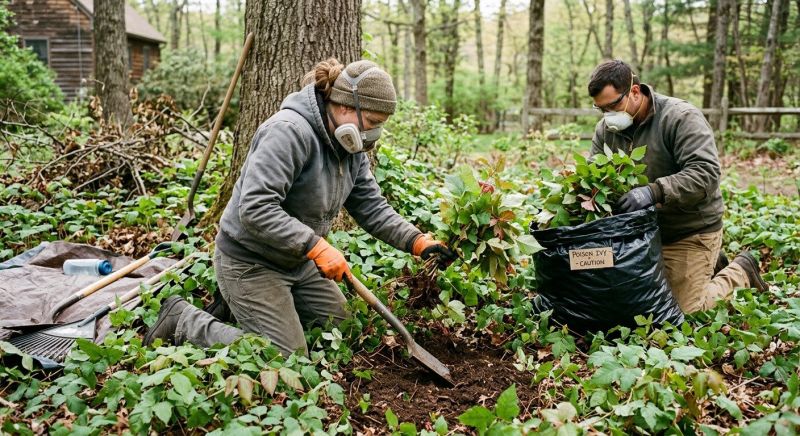
Identifying Poison Ivy
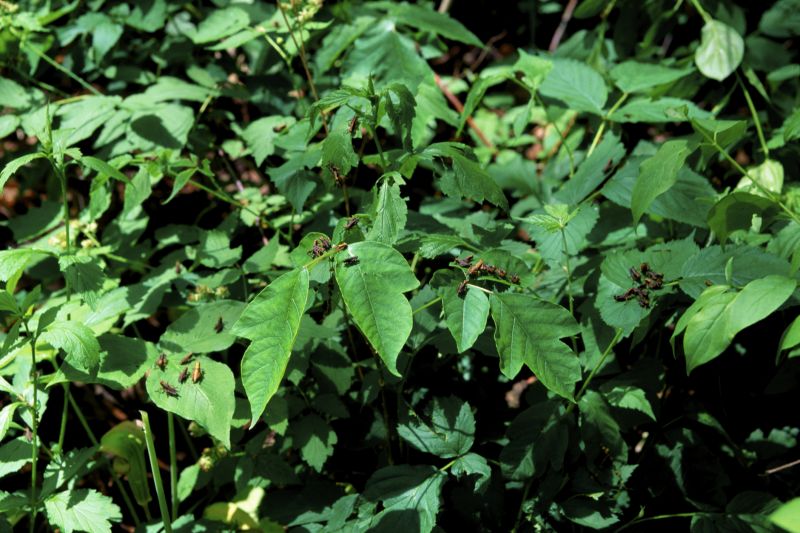
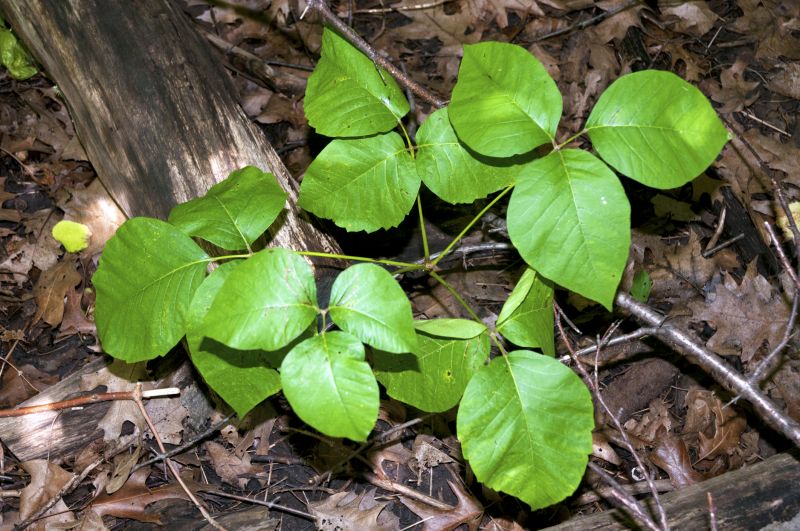
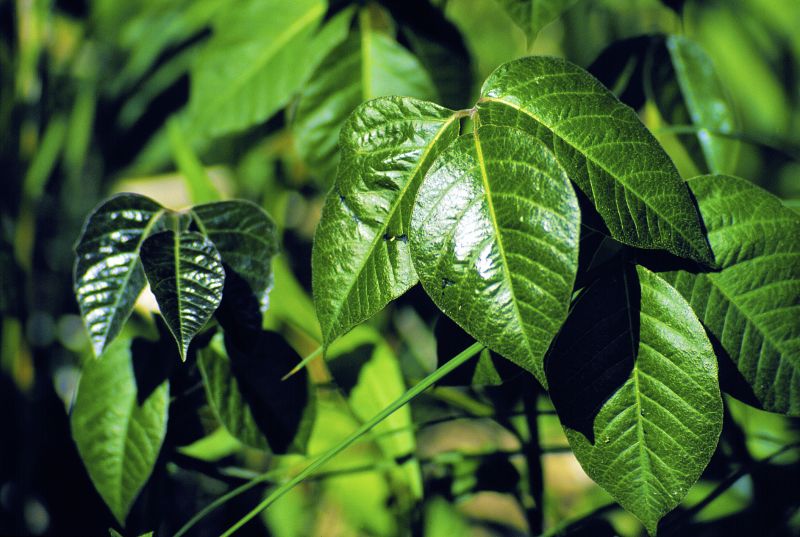
Recognizing poison ivy growth on residential and commercial properties in burlington county helps prevent skin irritation and property damage.
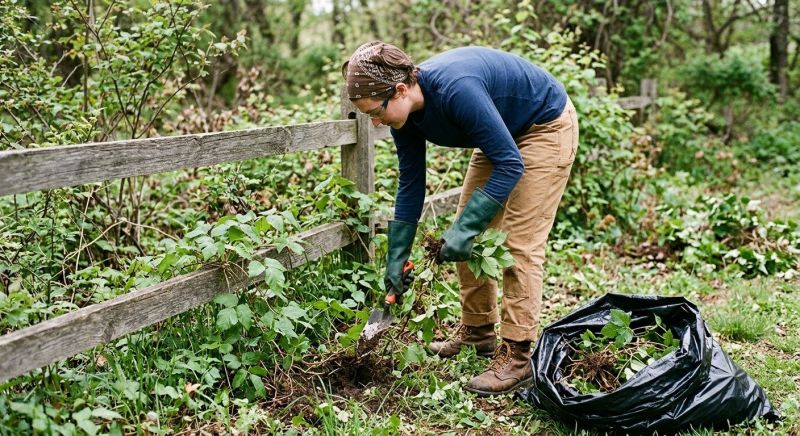
Removal Techniques
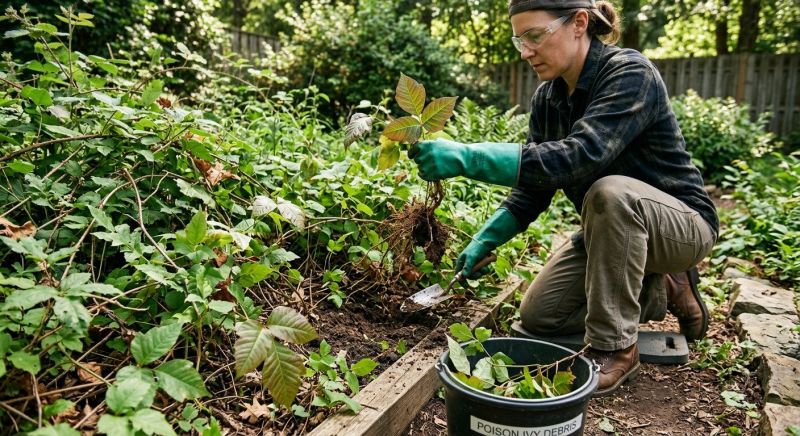
Effective removal methods ensure safe and thorough elimination of poison ivy from yards, fences, and landscaping areas.
Property Safety And Maintenance
Proper removal and ongoing maintenance reduce the risk of exposure and keep outdoor spaces safe for families and visitors in burlington county.
Poison Ivy Removal in Burlington County, NJ
Poison ivy removal services provide a safe and effective way for homeowners to eliminate this common and irritating plant from their properties. These services typically cover a variety of projects, including clearing poison ivy from yards, gardens, fences, trees, and other landscape features. Property owners often seek these services to prevent skin irritation, protect children and pets, and preserve the overall appearance of their outdoor spaces. Understanding the extent of the infestation, the types of plants involved, and the preferred method of removal can help homeowners make informed decisions before requesting assistance.
Before requesting poison ivy removal, property owners should consider the size and location of the affected areas, as well as any nearby plants or structures that could be impacted. It’s important to identify whether the poison ivy is growing on the ground, climbing on trees, or spreading along fences or walls. Additionally, owners may want to inquire about the methods used to remove the plants, especially if they prefer non-chemical approaches or need to ensure that the removal process is thorough to prevent regrowth. Clear communication about the scope of the project can help ensure the most effective and safe removal process.
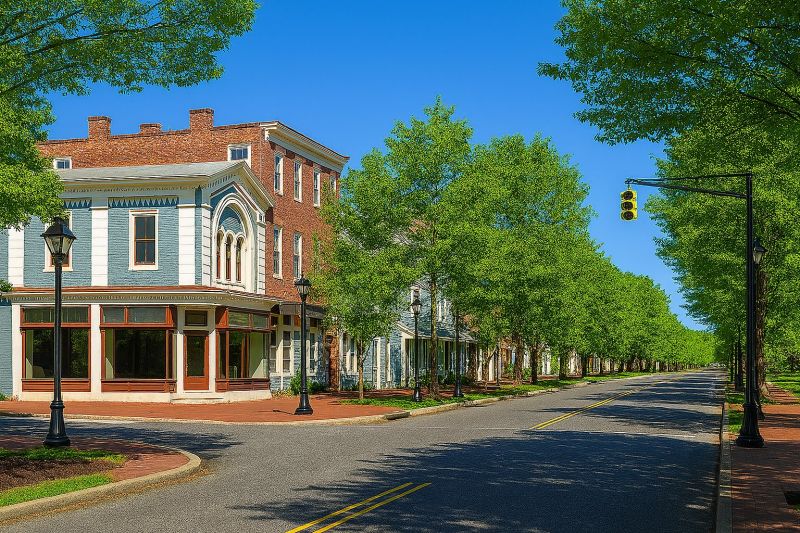
Many property owners in Burlington County, NJ look into Poison Ivy Removal for repairs, replacements, upgrades, and appearance-related improvements.
Common Poison Ivy Removal Jobs
Poison Ivy Removal - safe and effective elimination of poison ivy from residential properties.
Yard Clearing - removal of poison ivy from lawns, gardens, and landscape beds.
Tree and Shrub Treatment - targeted removal of poison ivy growing on trees and shrubs.
Property Inspection - assessment to identify areas affected by poison ivy growth.
Vegetation Management - ongoing control to prevent future poison ivy encroachment.
Landscape Cleanup - thorough removal of poison ivy debris to restore property safety.
Poison Ivy Removal Questions
What is poison ivy removal? Poison ivy removal involves safely eliminating the plant from your property to prevent skin irritation and other hazards.
When should poison ivy be removed? Removal is recommended when poison ivy is growing in high-traffic areas, near children or pets, or when it begins to spread.
How is poison ivy removed? The process typically includes manual removal, herbicide application, or a combination, performed by trained professionals to ensure safety.
Will poison ivy grow back after removal? Without proper treatment, poison ivy can regrow. Regular monitoring and maintenance help prevent re-establishment.
Request Poison Ivy Removal in Burlington County, NJ
Use the quote form on this page to share the basics of your project and request more information for the type of work you need.